
Why the Design Phase of a Remodel, Home Addition, or ADU Always Takes Longer Than You Think
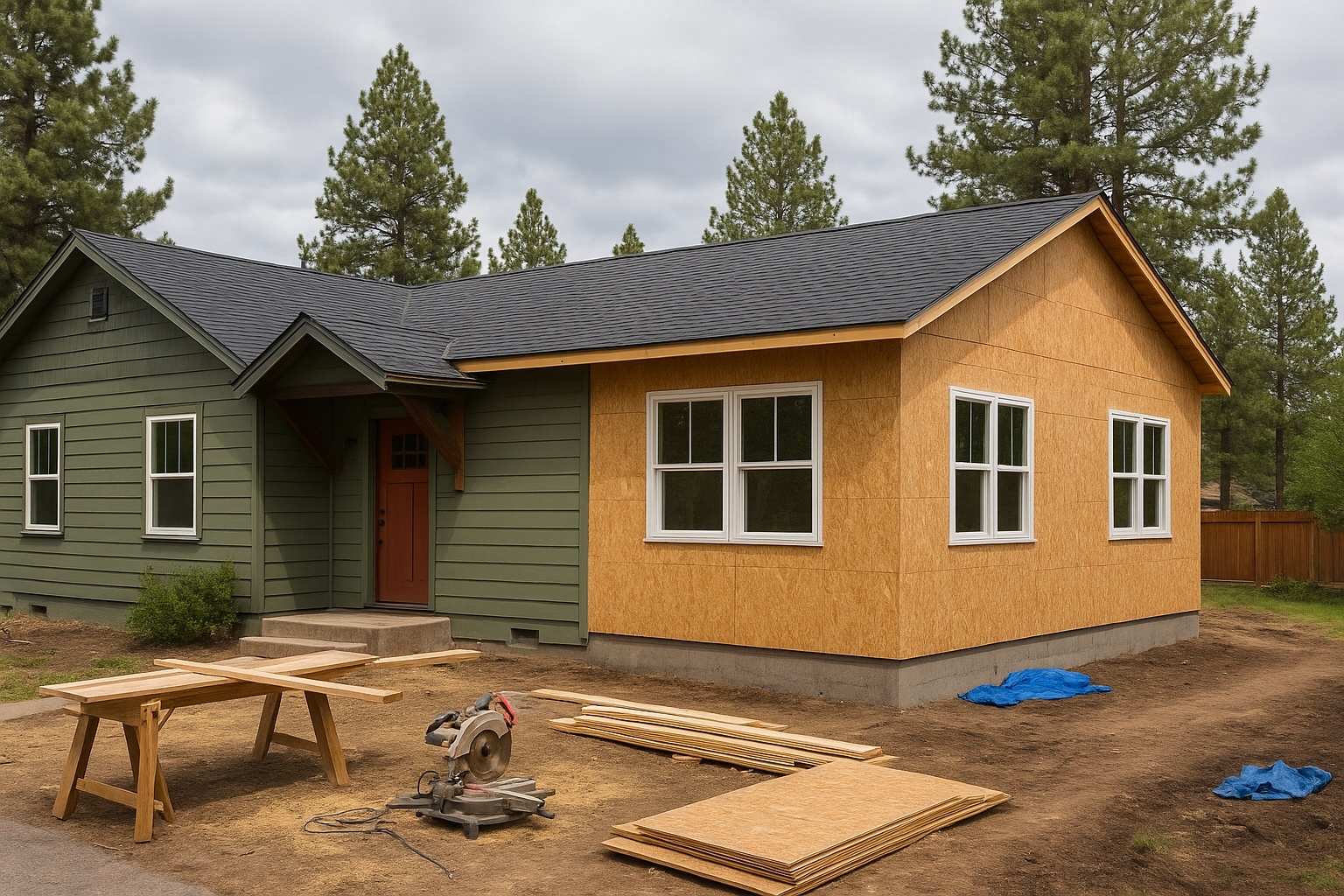
When you’re excited to start a home remodel, addition, or build an accessory dwelling unit (ADU), it’s natural to want construction to begin as soon as possible. But one of the biggest surprises for homeowners is just how long the design phase can take. At General Quality Services (GQS), we’ve seen time and again that the design process is often underestimated—yet it’s also one of the most critical steps to ensuring a successful project.
Why the Design Phase Takes More Time
1. Zoning, Codes, and Regulations
Every city and county has specific requirements for setbacks, height limits, lot coverage, and utility tie‑ins. For ADUs in Central Oregon, there are often additional rules related to parking, square footage, and lot size. Verifying these details during design ensures your project is legally buildable.
2. Engineering and Structural Planning
It’s not just about how your project looks—it’s about how it stands. Structural engineers often need to review the plans to confirm foundation, framing, and load requirements, especially for second‑story additions or remodels involving wall removal.
3. Multiple Rounds of Revisions
Most homeowners don’t approve the first draft of a design. Adjusting layouts, changing finishes, and refining square footage all add extra time—but they’re crucial to getting the final result right.
4. Permit Approvals and Submissions
Even after your design is complete, submitting plans to the local building department for approval can add several weeks to the timeline. Permitting backlogs, requests for clarifications, or changes can extend this further.
5. Fixture and Finish Selections
Flooring, cabinetry, lighting, and plumbing fixtures often need to be selected during or shortly after design. Since these choices dramatically affect cost and buildability, finalizing them early is key—but it can take longer than expected to review all the options.
Typical Timeframe for the Design Phase
While every project is unique, here’s a general idea of how long the design phase can take:
- Small Remodels:4–8 weeks
- Additions:8–12 weeks
- Accessory Dwelling Units (ADUs):10–16+ weeks
These timelines include feasibility checks, design revisions, engineering, and permitting prep.
Why Investing the Time Pays Off
Rushing through the design phase may seem appealing, but it usually backfires. Thorough design work:
- Prevents costly changesonce construction has started
- Ensures compliancewith codes and zoning laws
- Creates accurate estimatesso you know the real cost upfront
- Keeps construction smootherby reducing unexpected delays
At General Quality Services, we encourage clients to view the design phase as an investment in the success of their remodel, addition, or ADU—not as wasted time.
Key Takeaway
If you’re planning a home remodel, addition, or ADU, expect the design phase to take longer than you think—and embrace it. A thoughtful design process saves money, reduces stress, and ensures the final product matches your vision.
Ready to Start Your Remodel, Addition, or ADU in Central Oregon?
At General Quality Services, we guide homeowners through every step—from feasibility studies to construction—with honesty and precision. Contact us today to start your design phase the right way.