
How to Build a Deck That Lasts: Tips for Central Oregon Homeowners
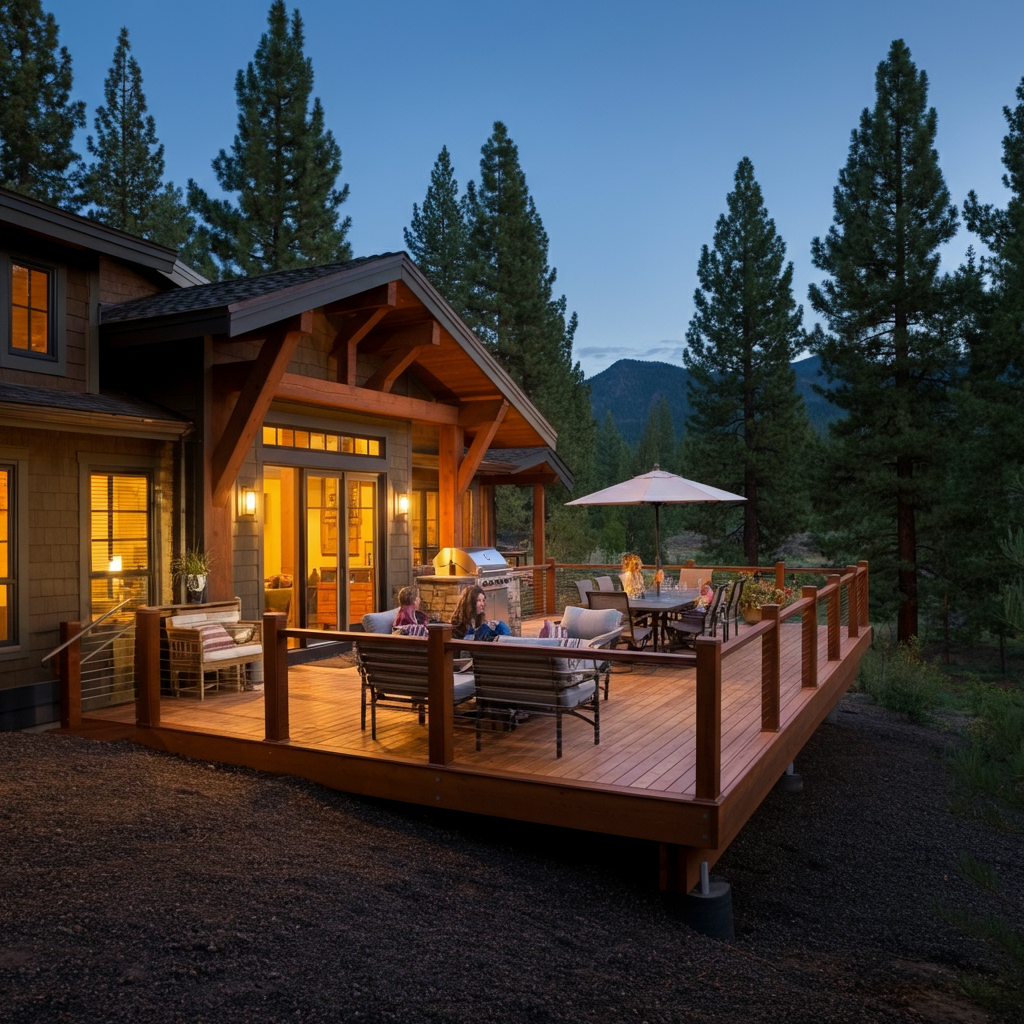
A well-built deck is more than just an addition to your home; it’s an outdoor living space for making memories, hosting gatherings, and enjoying the natural beauty of Central Oregon. Given our region’s distinct climate of sunny, dry summers and cold, snowy winters, building a deck that stands the test of time requires careful planning and material selection. A durable, thoughtfully designed deck is a valuable investment that enhances your lifestyle and property value for years to come.
This guide provides practical tips for building a long-lasting deck tailored to the challenges of our local environment. We’ll cover everything from choosing the right materials to incorporating weather-resistant design features and essential maintenance practices. With the right approach, you can create a beautiful and resilient outdoor space.
Choosing Durable Deck Materials for Central Oregon
The foundation of a long-lasting deck is the material you choose. Central Oregon’s climate, with its intense UV exposure, dramatic temperature swings, and heavy snow loads, demands materials that offer superior durability and resistance to the elements.
1. Composite Decking
Composite decking is an engineered product made from a blend of wood fibers and recycled plastics. It has become a popular choice for homeowners due to its exceptional durability and low maintenance requirements.
- Weather Resistance:High-quality composite boards are designed to resist fading, staining, scratching, and mold. They won't rot, warp, or splinter, which is a significant advantage in a climate with both moisture from snow and intense sun.
- Low Maintenance:Unlike wood, composite decking never needs to be sanded, stained, or sealed. A simple cleaning with soap and water is typically all that's required to keep it looking great.
- Long-Term Value:While the initial cost is higher than pressure-treated wood, the savings on maintenance costs and its longer lifespan make composite a smart, value driven investment.
2. Pressure-Treated Lumber
Pressure-treated wood remains a common and cost-effective choice for deck building. The wood is chemically treated to resist rot, decay, and insect damage.
- Affordability:It is the most budget-friendly option for framing and decking boards.
- Availability:Widely available from local suppliers throughout Central Oregon.
- Maintenance Needs:To ensure its longevity, pressure-treated decking requires regular maintenance. You will need to clean it annually and re-stain or seal it every one to three years to protect it from moisture and UV damage, which can cause cracking and splintering.
3. Hardwoods (lpe, Tigerwood)
Exotic hardwoods like lpe and Tigerwood are renowned for their incredible density, natural beauty, and resistance to rot and insects.
- Exceptional Durability:These woods are among the most durable natural materials available and can last for decades with proper care.
- Stunning Aesthetics:Hardwoods offer a rich, luxurious appearance that can elevate the look of any outdoor space.
- Considerations:They are a premium-priced option and can be more difficult to work with due to their density. While naturally resilient, they will fade to a silvery gray if not regularly treated with a UV-protecting oil.
Weather-Resistant Design for Long-Lasting Decks
Beyond materials, the design of your deck plays a crucial role in its ability to withstand Central Oregon’s weather. Working with an experienced Central Oregon deck builder ensures these details are incorporated from the start.
Managing Water and Snow
Proper water management is essential to prevent rot and structural damage.
- Proper Board Spacing:Gapping the deck boards correctly {typically 1/8 to 1/4 inch) allows water from rain and melting snow to drain through, preventing it from pooling on the surface.
- Elevated Post Bases:Deck support posts should never be in direct contact with the ground or concrete. Using galvanized steel post bases elevates the wood, keeping it dry and preventing rot at this critical connection point.
- Flashing:Installing proper flashing where the deck attaches to your house {the ledger board) is vital. This metal or vinyl barrier prevents water from seeping into your home's structure, which could cause significant damage.
Designing for Sun Exposure
The intense high-desert sun can take a toll on decking materials.
- Consider Lighter Colors:If you choose composite decking, lighter colors tend to absorb less heat, making the surface more comfortable to walk on during hot summer days.
- Incorporate Shade:Designing your outdoor space with a pergola, shade sail, or retractable awning can protect your deck surface from constant UV exposure, prolonging its life and enhancing your comfort.
Building a Strong Foundation
A strong, stable frame is the backbone of any durable deck.
- Proper Footings:Footings must be dug below the frost line (which can be 24 inches or more in parts of Central Oregon} to prevent the deck from heaving during freeze thaw cycles.
- Strong Framing:Using properly treated lumber for the substructure and ensuring joists are sized correctly for the spans will support heavy snow loads and prevent sagging over time.
Essential Maintenance for a Durable Deck
Once your deck is built, a consistent maintenance routine will protect your investment and keep it looking its best.
Annual Cleaning
Regardless of the material, every deck benefits from an annual cleaning to remove dirt, pollen, and mildew. For most decks, a gentle scrub with a deck cleaner or soap and water is sufficient. A pressure washer can be used carefully on a low setting, as high pressure can damage both wood and composite surfaces.
Regular Inspections
At least once a year, take time to inspect your deck thoroughly.
- Check for Loose Fasteners:Tighten any loose screws or nails.
- Examine Structural Components:Look for any signs of rot or damage in the posts, joists, and ledger board.
- Inspect Railings:Ensure railings are secure and stable for safety.
Sealing and Staining (for Wood Decks)
If you have a wood deck, protecting it with a high-quality stain or sealant is the most important maintenance task.
- Sealant Application:Apply a water-repellent sealant every one to two years to prevent moisture absorption.
- Stain for UV Protection:A quality stain not only adds color but also contains pigments that protect the wood from damaging UV rays. This should be reapplied every two to three years, or when water no longer beads on the surface.
Partner with a Professional Central Oregon Deck Builder
Building a deck that truly lasts in our unique climate requires local expertise. A professional deck builder understands the specific challenges of our environment, navigates local building codes and permit requirements, and has access to the best materials for the job. They can help you design and construct a beautiful, durable deck that serves your family for many years.
By choosing the right materials, incorporating smart design features, and committing to regular maintenance, you can ensure your deck remains a safe and beautiful extension of your Central Oregon home.